 Call Technician

Know Different Parts of Split AC: Indoor & Outdoor Unit Explained
Learn every split AC part, indoor and outdoor, with functions, common faults, and repair costs. Quick reference table included for fast answers.
Split ACs have become India’s most popular cooling choice today. They run quietly, look good on any wall, and save space compared to bulky window units. Understanding split AC parts helps you know how your cooling system actually works.
A split AC has two main sections: an indoor unit and an outdoor unit, joined by copper tubing. Each unit holds several parts that work together to cool your room. This guide covers a quick-reference table of every part, indoor and outdoor breakdowns, common problems linked to specific parts, and when to call a technician.
Split AC Parts at a Glance
Here’s a quick-reference guide before we dive deeper into each part.
| Part Name | Location | What It Does | Common Problem If Faulty |
|---|---|---|---|
| Air Filter | Indoor | Cleans dust from air before cooling | Low airflow, bad smell |
| Evaporator Coil | Indoor | Absorbs heat from room air | Low cooling, coil freezing |
| Blower Fan | Indoor | Circulates cooled air into room | Weak airflow, no cooling |
| Drain Pan & Pipe | Indoor | Removes condensed water | Water leakage |
| Indoor PCB | Indoor | Controls fan speed, modes, display | Display errors, unit not responding |
| Louvers/Swing Flaps | Indoor | Direct airflow direction | Flap not moving, uneven cooling |
| Compressor | Outdoor | Pumps and pressurizes refrigerant | No cooling, loud noise, tripping |
| Condenser Coil | Outdoor | Releases heat outside | Poor cooling, overheating |
| Condenser Fan & Motor | Outdoor | Cools condenser coil with airflow | Outdoor unit overheating |
| Outdoor PCB | Outdoor | Controls compressor, outdoor fan | Compressor not starting |
| Capacitor | Outdoor (some models) | Helps start compressor/fan motor | Compressor humming, not starting |
| Refrigerant Lines (Suction & Liquid) | Both | Carry refrigerant between units | Gas leakage, hissing sound |
How a Split AC Works? A Quick Overview
A split AC works through its indoor unit, outdoor unit, and the copper tubing that connects them and carries refrigerant back and forth. Together, these parts complete a continuous cooling cycle. Here’s how it happens, step by step:
- The blower fan pulls warm room air through the air filter.
- The evaporator coil absorbs heat from that air.
- The blower sends the cooled air back into the room.
- Refrigerant carrying the absorbed heat travels to the compressor.
- The compressor raises the refrigerant’s pressure and temperature.
- The condenser coil and fan release this heat outdoors.
- The expansion valve lowers the refrigerant’s pressure.
- The cooled refrigerant returns to the evaporator, and the cycle repeats.
This loop runs continuously until your room reaches the set temperature. Each part plays a specific role, and if one fails, the entire cooling process suffers.
If you are facing AC problems like low cooling, blowing hot air, AC fan running but not cooling, read free resources for either DIY or know when to call a technician.
Indoor Unit Parts and Their Functions
Indoor Unit Cover / Front Panel
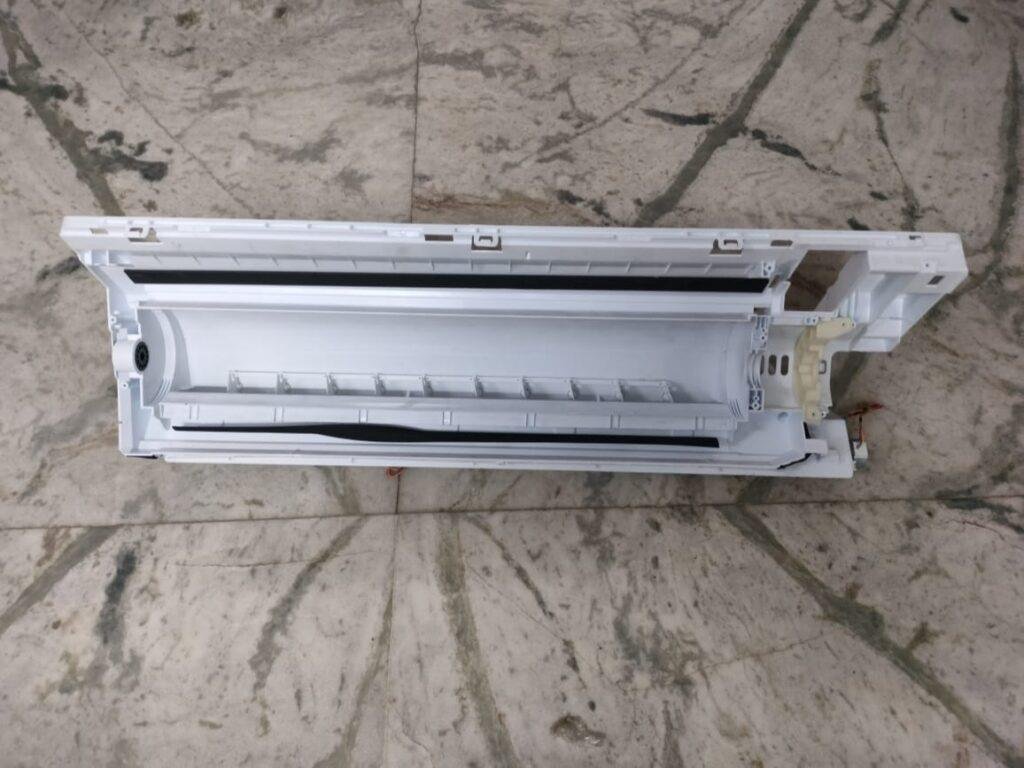
The front panel, also called the indoor unit cover, protects internal components from dust and damage. It also gives the unit a clean, modern look. Beyond protection, it allows easy access for filter cleaning and routine maintenance.
Air Filter
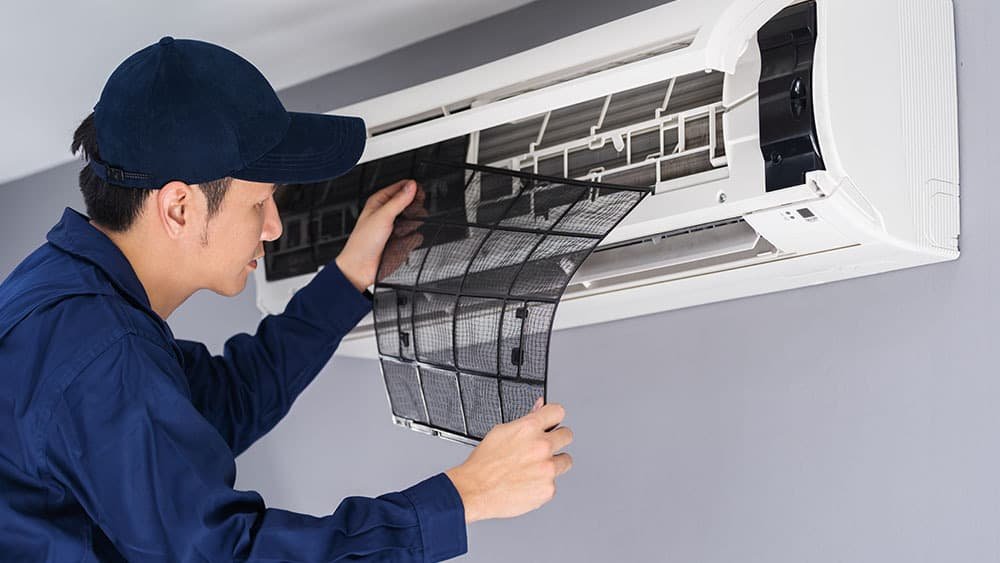
The air filter traps dust, dirt, hair, and airborne particles before air reaches the cooling coil. It protects the evaporator coil and keeps indoor air quality high. A clogged filter reduces airflow and can cause the coil to freeze over.
Evaporator Coil (Cooling Coil)
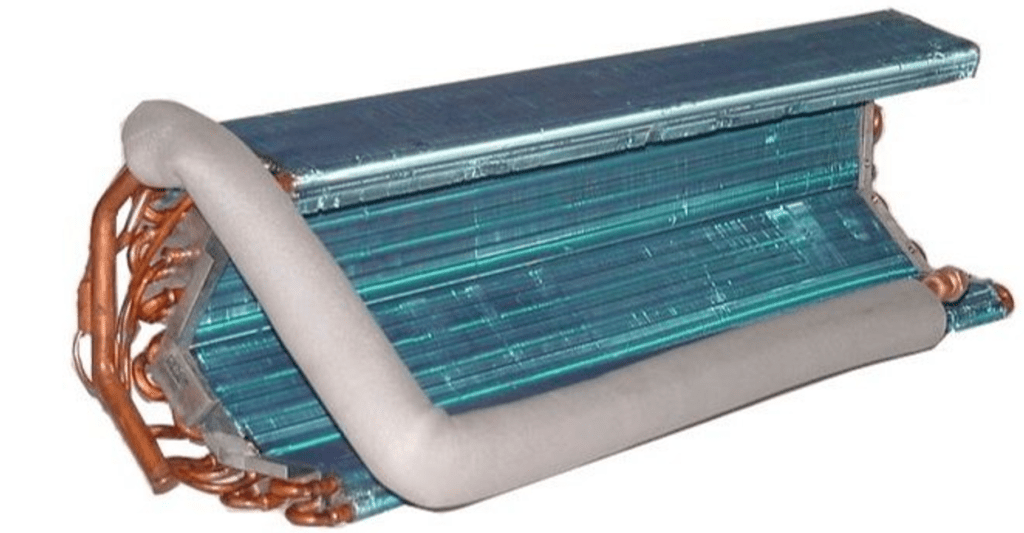
The evaporator coil contains low-temperature refrigerant that absorbs heat from room air as it passes through. This is where the actual cooling happens. A dirty or frozen coil leads to weak cooling and moisture problems inside the unit.
Blower Fan (Cross-Flow Fan) & Blower Fan Motor
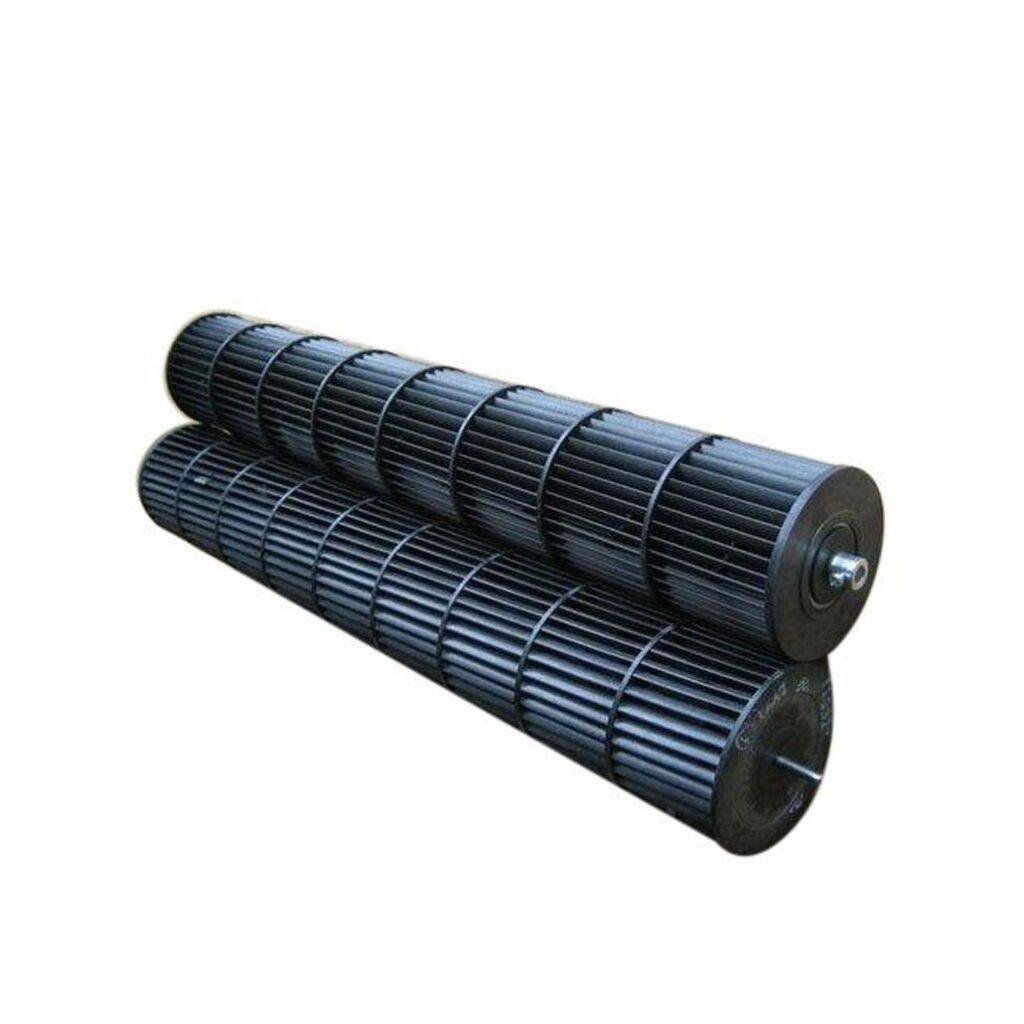
The blower fan draws warm air through the filter and coil, then pushes cooled air back into the room. The blower fan motor drives this fan and controls its speed. A faulty motor or dirty fan causes weak airflow and uneven cooling.
Swing Motor and Louvers/Flaps
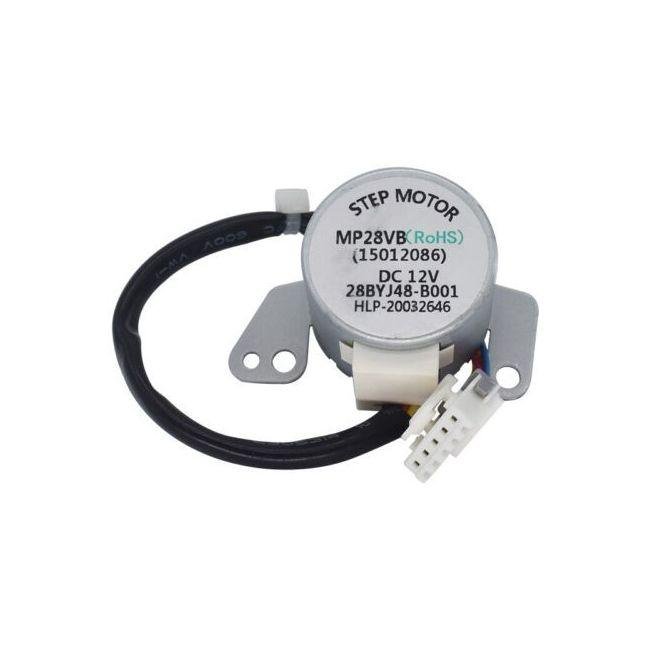
The swing motor moves the louvers and flaps up and down to spread cool air evenly. If the motor fails, flaps get stuck in one position, leading to uneven cooling in the room.
Drain Pan and Drain Pipe
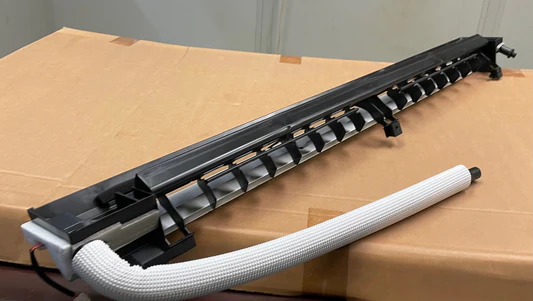
The drain pan collects condensation that forms on the evaporator coil. The drain pipe then carries this water safely outside the building. A blocked pan or pipe is a common cause of water leaking inside the room.
Indoor PCB (Printed Circuit Board)
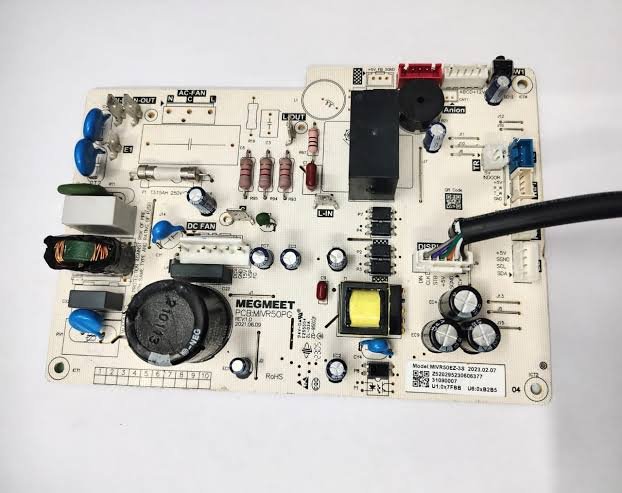
The indoor PCB is the main control board of the indoor unit. It receives signals from sensors and the remote, then controls fan speed, operating modes, and communication with the outdoor unit. A faulty PCB can prevent the display panel from receiving signals and cause the unit to stop responding.
Display Panel
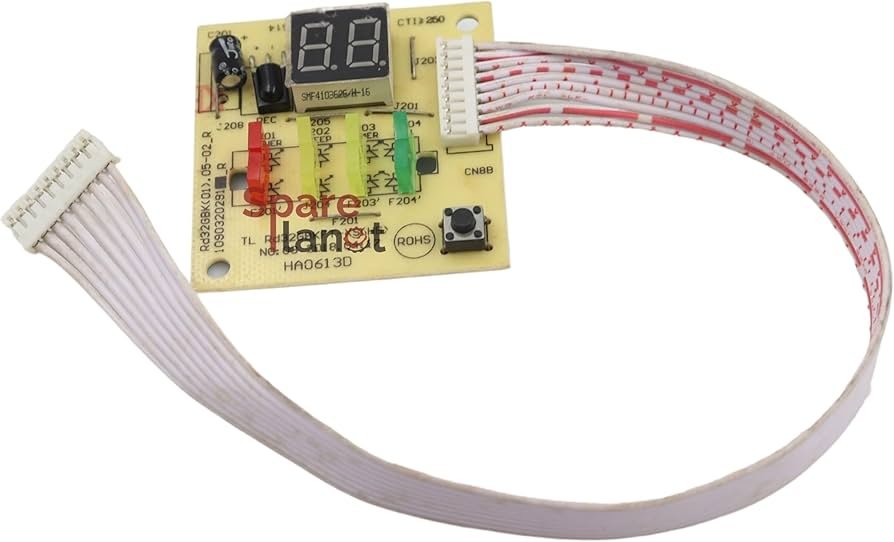
The display panel shows temperature settings, operating mode, and error codes. Loose or damaged display wiring is a major reason for display failure, and rat damage to internal wires is also a frequent cause of AC display problems.
Temperature Sensors (Thermistors)
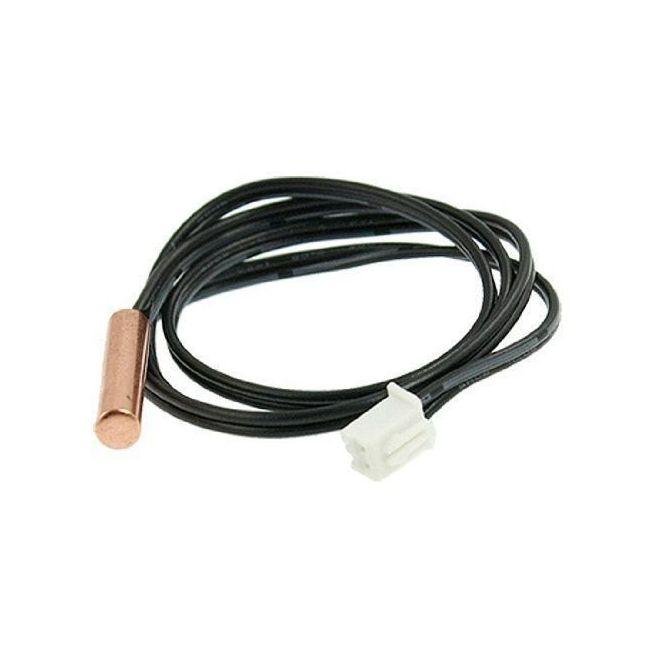
Temperature sensors, or thermistors, monitor room and coil temperature to help the PCB regulate cooling. The sensor should ideally sit close to the coil without touching it, since a displaced sensor can make the AC cycle constantly or behave erratically.
Wire Junction / Terminal Block
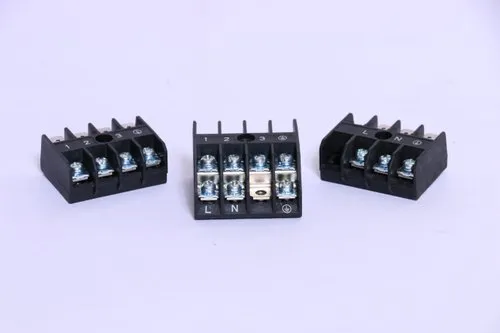
The terminal block is the connection point for wiring between the indoor and outdoor units. It carries both power and communication signals. Loose or corroded wiring here can disrupt communication between the two units.
Outdoor Unit Parts and Their Functions
Compressor
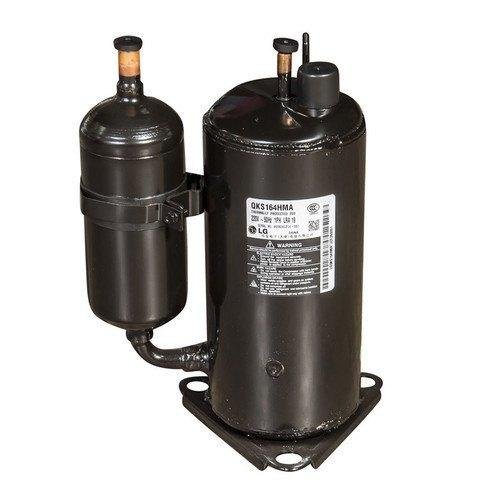
The compressor is the heart of the outdoor unit. It compresses low-pressure refrigerant vapor into high-pressure, high-temperature vapor and circulates it through the system. Overheating is a common issue, often caused by low refrigerant, a dirty condenser, or a weak capacitor.
Condenser Coil
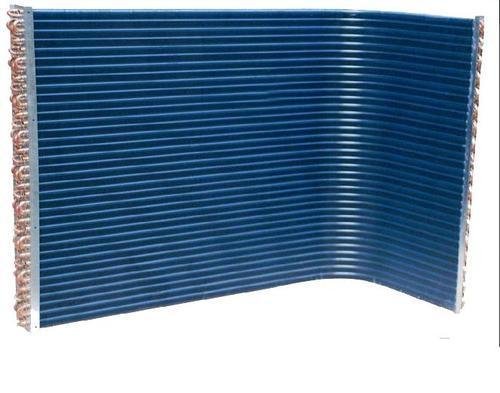
The condenser coil releases the heat absorbed from your room into the outside air. It also converts high-pressure refrigerant vapor back into liquid form. A dirty condenser coil traps heat, raising discharge pressure and causing the compressor to overheat.
Condenser Fan and Fan Motor
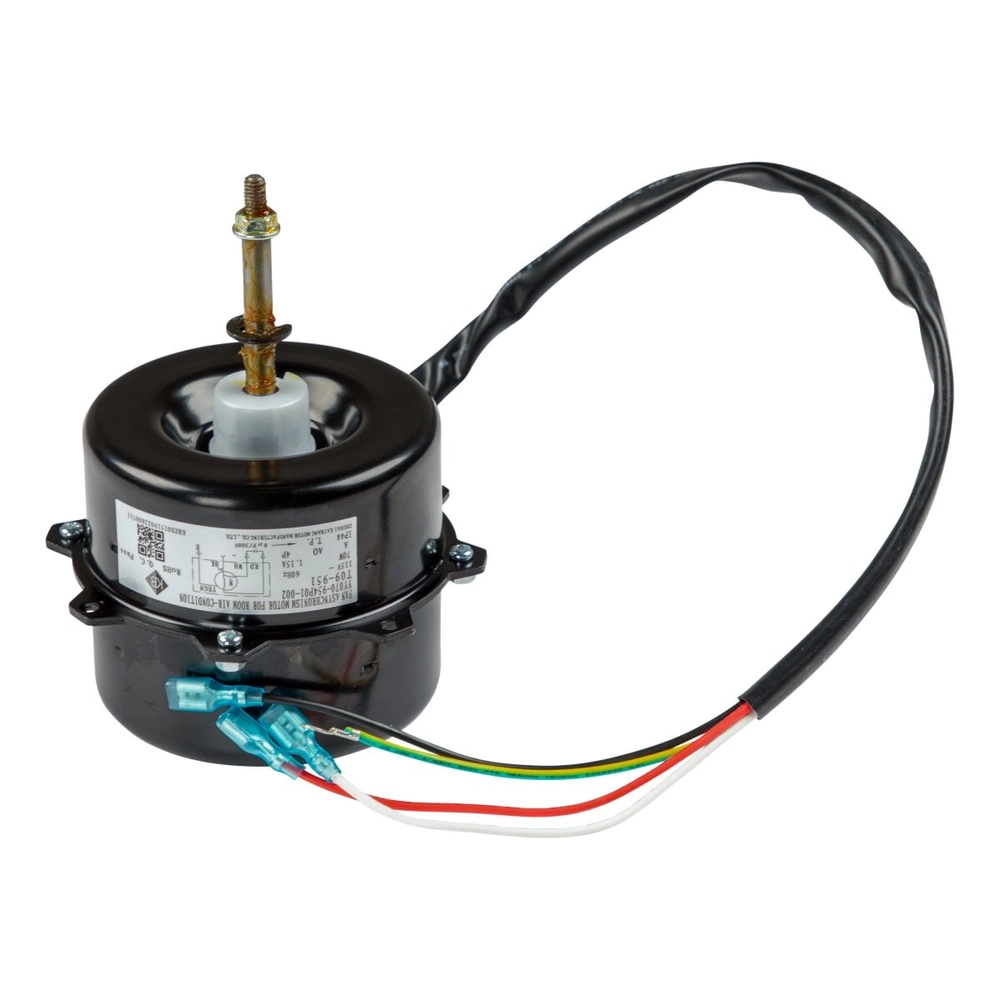
The condenser fan draws outdoor air across the condenser coil, while the fan motor powers this fan and controls airflow. If the fan motor fails or the fan slows down, heat cannot escape, and the compressor quickly overheats and shuts down.
Fins (Aluminum Heat-Transfer Fins)
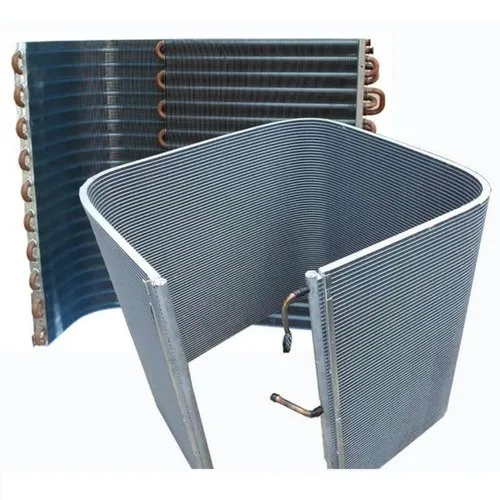
The fins are thin aluminum surfaces attached to the condenser tubing. They increase the surface area available for heat transfer, improving cooling efficiency. Bent or dirty fins reduce heat release and can lead to poor cooling performance.
Magnetic Contactor (select models)
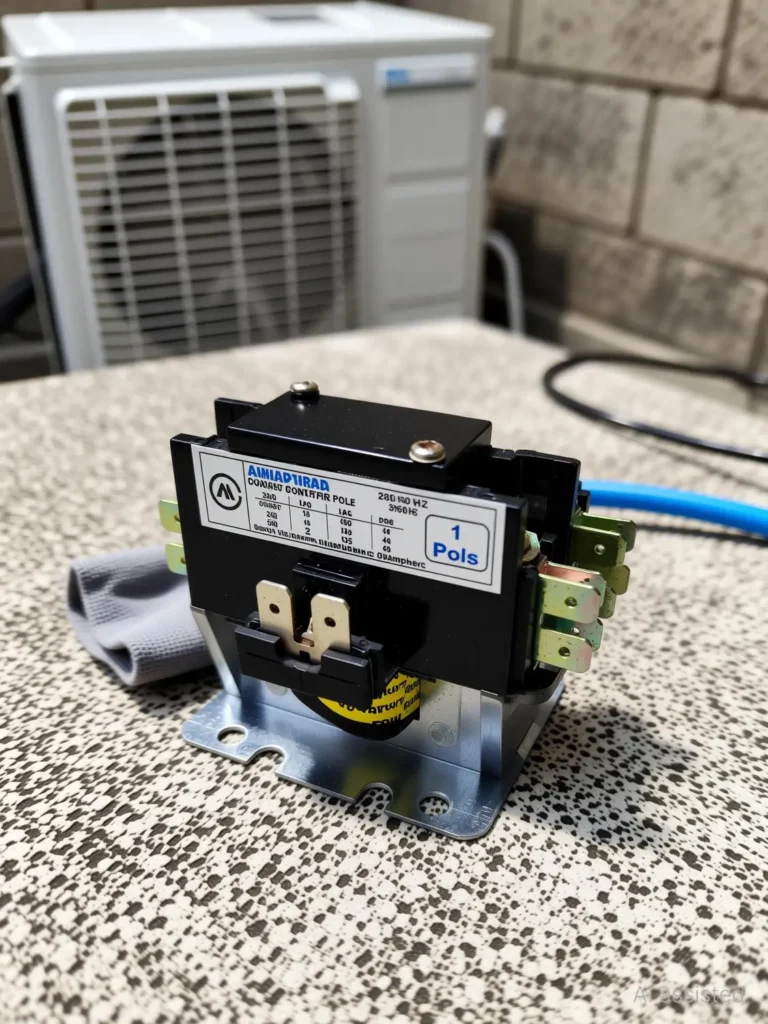
The magnetic contactor acts as an electrically operated switch that controls power supply to major electrical components. A faulty contactor prevents the compressor and outdoor fan from starting, even though the indoor unit runs normally.
Capacitor (non-inverter/select models)
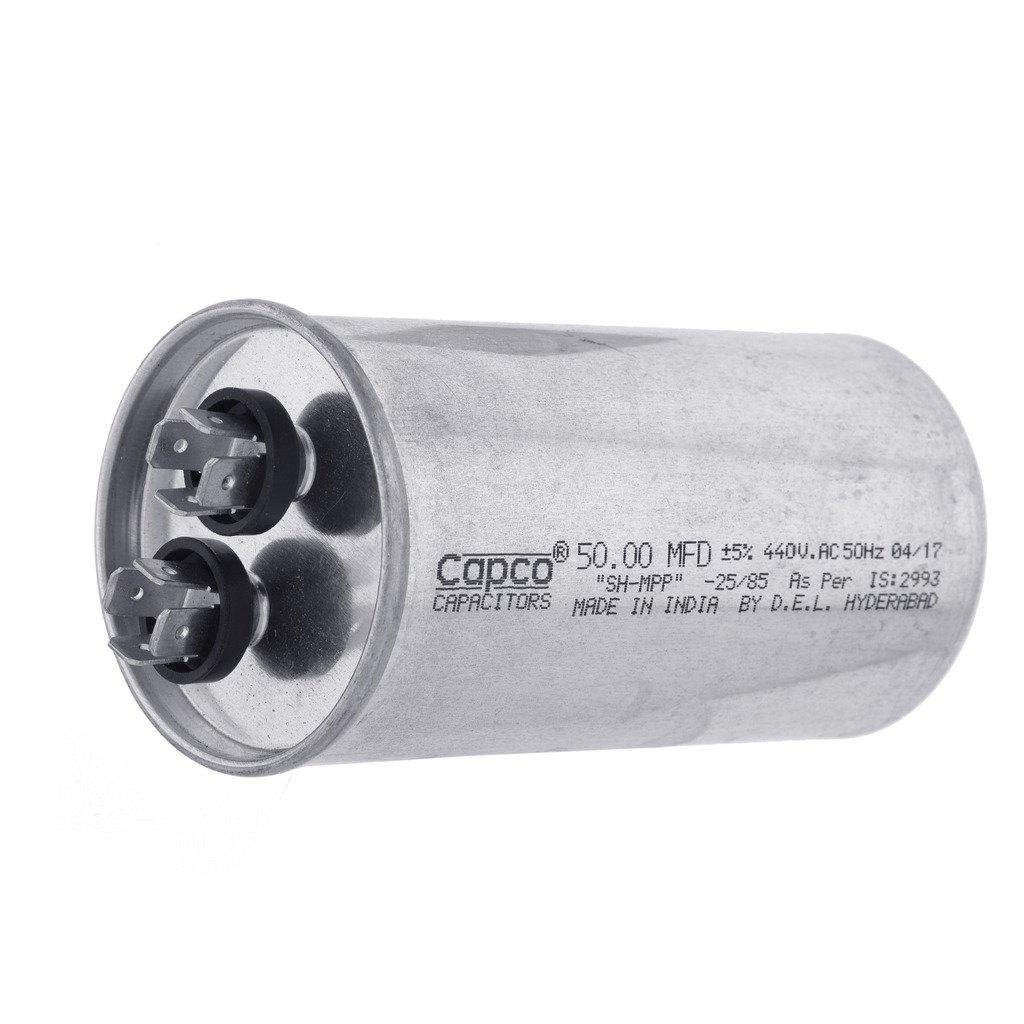
The capacitor helps start and run the compressor and fan motors, and is common in conventional split AC systems. A weak or damaged capacitor causes humming sounds, delayed starting, and high starting current that can overheat the compressor.
Refrigerant Line Components: Connecting Indoor and Outdoor Units
Copper tubing links the indoor and outdoor units, carrying refrigerant back and forth in a continuous loop. Two separate lines handle this job, each with a specific purpose.
- Suction Line: The larger copper pipe. It carries low-pressure refrigerant vapor from the evaporator coil back to the compressor.
- Liquid Line: The smaller copper pipe. It carries high-pressure liquid refrigerant from the condenser to the expansion valve.
- Insulation: Wraps around these pipes to prevent heat gain, condensation, and energy loss.
Damaged insulation or a refrigerant leak along these lines is a common cause of reduced cooling. If you notice hissing sounds or ice buildup on the pipes, have a technician inspect them.
Quick Checklist: Which Part Is Causing Your Problem?
Match your symptom to the likely faulty part below and narrow down the issue in seconds.
| Symptom You’re Noticing | Part(s) Most Likely Responsible |
| AC not cooling at all | Compressor, refrigerant lines, capacitor |
| Weak or low airflow | Air filter, blower fan, blower motor |
| Water leaking indoors | Drain pan, drain pipe (blocked) |
| Loud noise from outdoor unit | Compressor, condenser fan, fins, loose contactor |
| AC display not showing / errors | Indoor PCB, display panel, sensors |
| Uneven cooling / flap not moving | Swing motor, louvers/flaps |
| Frequent tripping / MCB trips | Capacitor, compressor, PCB, wiring |
| Cooling coil freezing | Air filter, evaporator coil, refrigerant level |
| Outdoor unit not starting | Outdoor PCB, contactor, capacitor, compressor |
If you are facing any AC problems in your split AC or need AC jet cleaning, AC gas filling, contact Urban Service Plaza, for their same day AC service in Kolkata with 15 days service guarantee and spare parts warranty.
How Long Do Split AC Parts Last? (Lifespan & Maintenance)
A well-maintained split AC can last 10 to 15 years, but individual parts wear out at different rates. Filters, sensors, and motors typically need attention long before the whole unit needs replacing. Regular care keeps every part working longer and delays costly repairs.
- Clean or replace the air filter monthly to protect the evaporator coil and blower motor. This simple step can improve efficiency by up to 15%.
- Keep the outdoor unit free of leaves and debris to protect the condenser coil and fan from overheating.
- Get the PCB and sensors checked during annual servicing to catch small faults before they become costly failures.
- Check the drain pipe for blockage each season to prevent water leakage indoors.
Regular servicing lowers the chance of major part replacement and keeps your split AC running efficiently for years.
When to DIY-Check vs Call a Technician?
| You Can Check Yourself | Needs a Professional Technician |
|---|---|
| Clean/replace air filter | Refrigerant leak/refill |
| Clear visible outdoor unit debris | Compressor repair/replacement |
| Check remote settings & batteries | PCB diagnosis or replacement |
| Look for blocked drain pipe opening | Rewiring or electrical faults |
| Reset AC via circuit breaker | Capacitor or contactor replacement |
| Note visible error codes on display | Gas pressure or coil issues |
Attempting repairs involving electrical components, refrigerant, or internal PCB access can be risky and may cause further damage, so it’s best left to a trained professional.
Frequently Asked Questions
What are the main parts of a split AC?
A split AC has two units. The indoor unit includes the air filter, evaporator coil, blower fan, and PCB. The outdoor unit includes the compressor, condenser coil, condenser fan, and outdoor PCB. Copper tubing connects both units and carries refrigerant.
What is the function of the PCB in a split AC?
The PCB, or printed circuit board, is the main control center of the AC. It controls fan speed, operating modes, and the display panel. It also manages communication between the indoor and outdoor units and can trigger error codes if it detects a fault.
Why does the compressor overheat in a split AC?
Compressor overheating usually happens due to low refrigerant, a dirty condenser coil, blocked outdoor airflow, or a weak capacitor. High or unstable voltage supply and system blockages like a choked capillary tube can also cause the compressor to run hot and trip.
How often should I clean my split AC’s air filter?
You should clean or replace the air filter once a month for best performance. Cleaning it regularly can improve cooling efficiency by up to 15% and protects the evaporator coil and blower motor from dust buildup.
Which part usually causes water leakage in a split AC?
Water leakage from the indoor unit is most often caused by a blocked drain pan or drain pipe. Dust, dirt, or algae buildup can clog the drainage path, causing condensed water to overflow into the room instead of draining outside.
How long do split AC parts typically last?
A well-maintained split AC can last 10 to 15 years overall. However, individual parts like filters, sensors, and capacitors may need cleaning or replacement much sooner, depending on usage and how well the unit is maintained.
To Sum Up
Knowing your split AC parts, both indoor and outdoor, helps you spot problems faster and decide when a DIY check is enough. Filter cleaning and simple resets are safe to try, but electrical, refrigerant, or PCB issues need a professional. For expert split AC repair and maintenance, trust Urban Service Plaza, offering doorstep service across Kolkata.